
Container Information
Overview
Container
An intermodal container, often called shipping container, be designed and constructed for the transportation of general cargo on sea (above or under deck) and on land (road or rail) throughout the world, and will be suitable for the environmental conditions imposed by those modes of transport.
Moving goods in containers has literally transformed shipping and logistics over the past 50 years, bringing all sorts of benefits in terms of economies of scale, standardization of ships, cranes and handling equipment and boosting throughput efficiency at ports and terminals to an extent that would be otherwise unimaginable.
─ Speech by IMO Secretary-General Kitack Lim ( European Shipping Week Event - Safety in the Intermodal Supply Chain, )
TEU
20-foot equivalent units
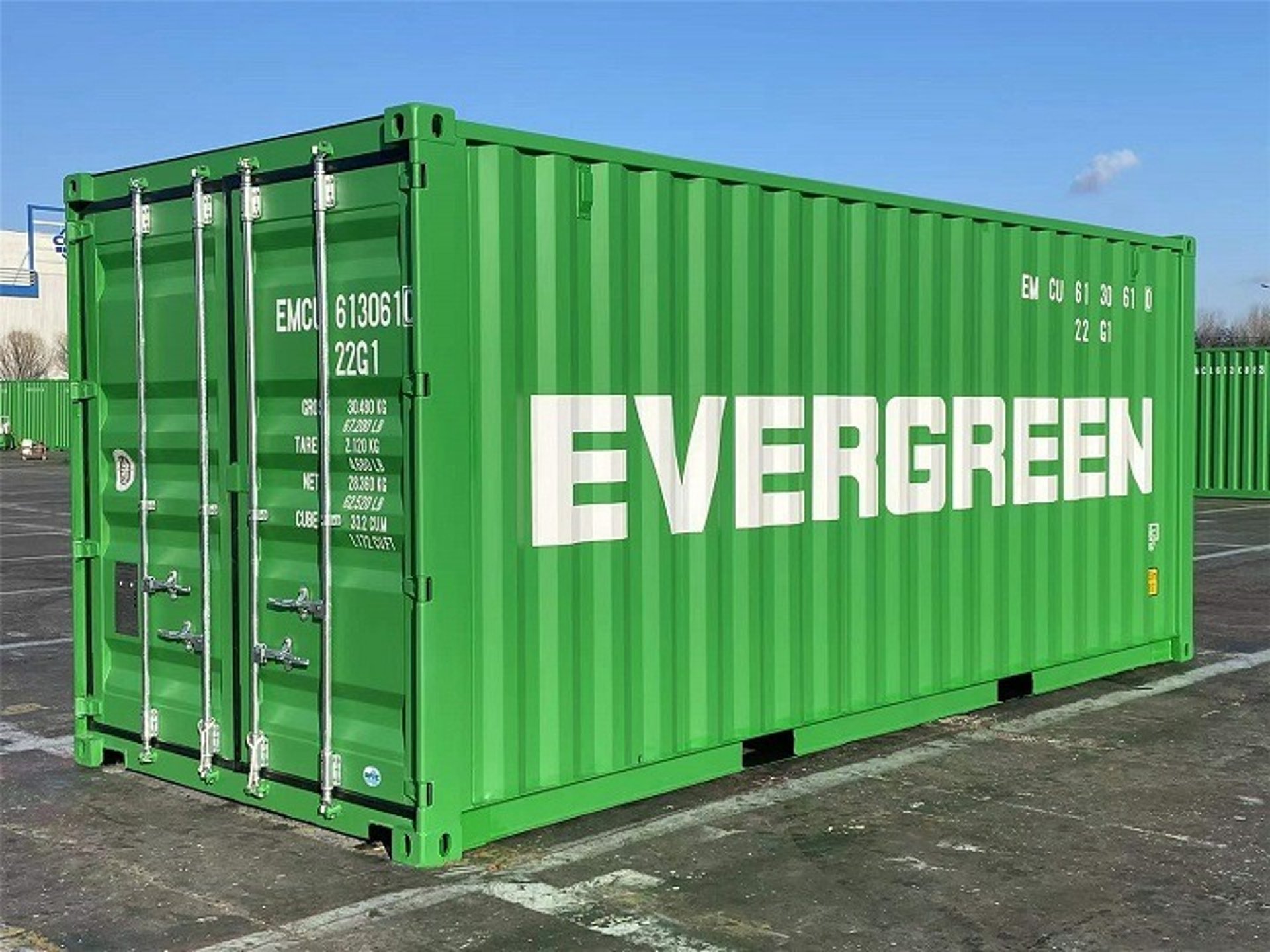
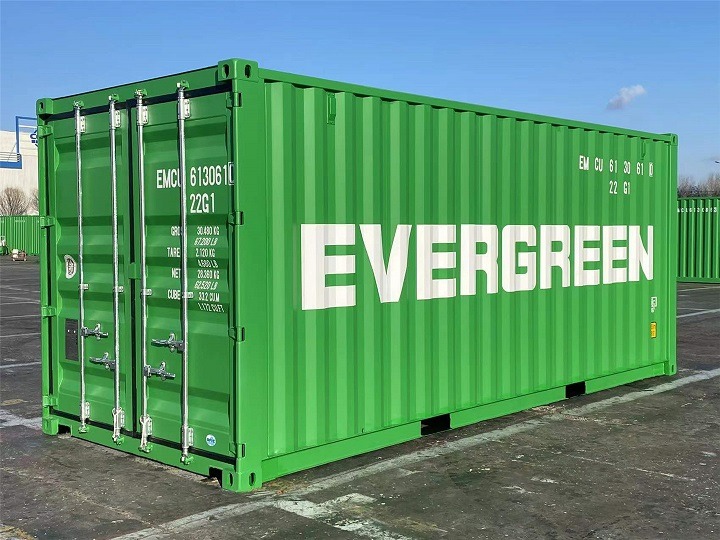
20-foot steel dry cargo container is a standard-sized intermodal container which will be constructed to be suitable for transportation in the marine, road and rail modes without any permanent deformation. Also, container capacity is usually communicated in twenty-foot equivalent units (TEU).
40-foot equivalent units
40-foot steel dry cargo container also be designated as standard intermodal container, as same width as 20-foot steel dry cargo container but with the double length. Container capacity is usually communicated in forty-foot equivalent units (FEU, considered to be two TEU).
Evergreen Line has always worked to provide its customers with the highest level of service. We are expanding our container service network and building new containers to meet our customers' needs. We offer a wide range of containers to meet every requirement, the details of which can be found below.
Address
Evergreen house, 160 Euston road, London, NW1 2DX
Contacts
TEL: +4420 3996 1244
EMAIL: marsms@evergreenmarine.uk